Most Men Slow Down for the Wrong Reason
Most men aren’t slowing down because they’re getting older; they are slowing down because they have simply stopped doing hard things. When it comes to fitness over 40 for men, the perceived decline that people talk about isn’t a biological certainty, it’s a behavioural choice.
Most people accept a narrative that sounds reasonable on the surface, but quietly destroys their potential over time, they believe decline is natural, unavoidable, and just part of the deal once you pass forty. You hear it everywhere—people saying they aren’t twenty anymore or that the body just falls apart after a certain age.
It sounds like common sense, but in reality, it’s often just a convenient excuse to stop trying.
Decline Is Behavioural, Not Biological
After decades of training, running businesses, coaching people, and observing human behaviour up close, I’ve realised something important: what most people call natural decline is rarely natural at all—it is almost entirely behavioural.
I am fifty-seven years old, I still train Brazilian Jiu-Jitsu, I still lift weights, and I still show up several times a week to do things that are objectively difficult.
That doesn’t mean I feel the same as I did at twenty-five. Recovery matters more now. Sleep matters more. Injuries take longer to settle.
But the biggest difference between men who stay capable and those who fade isn’t age—it’s daily decisions.
What Really Happens After 40
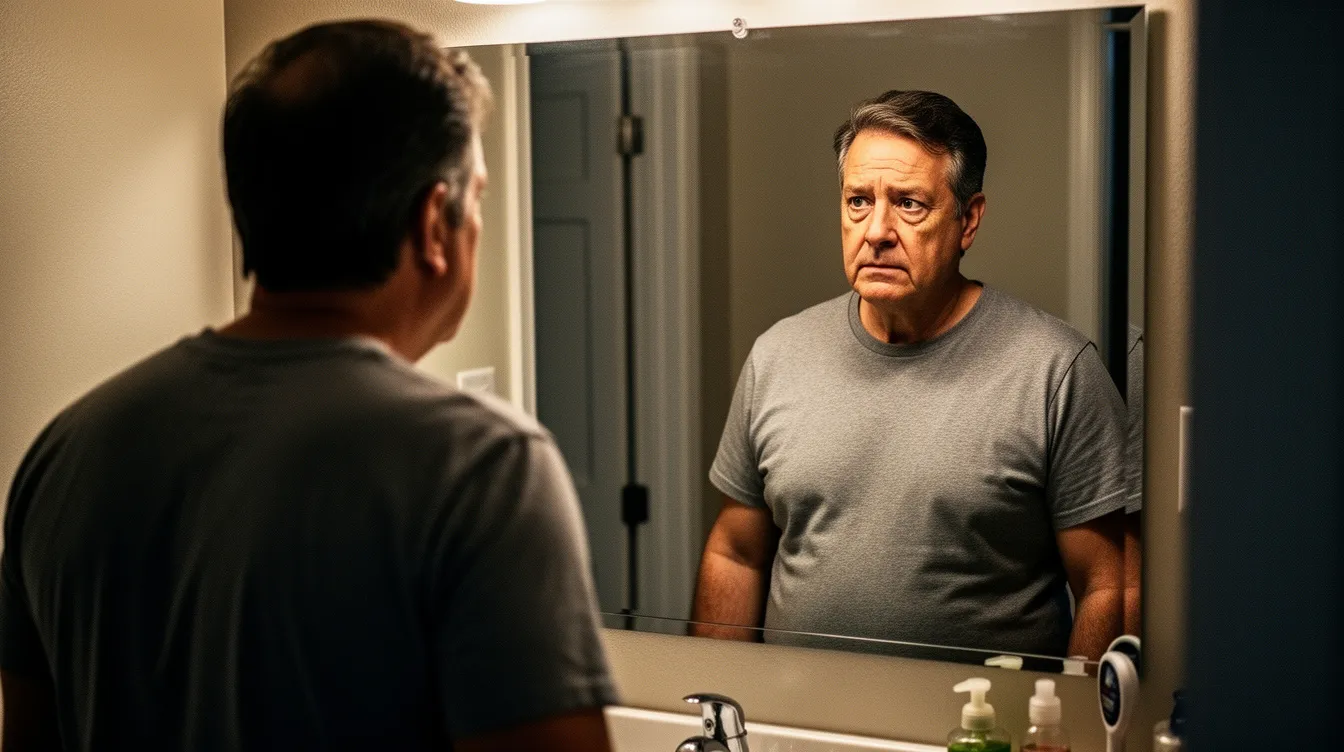
Most men don’t suddenly fall apart at forty or fifty. What actually happens is much slower and much quieter. They stop doing hard things, they stop training seriously, they stop moving with intent, they stop challenging themselves. As comfort takes over, the body adapts. Muscle disappears. Joints stiffen. Energy drops. Confidence fades. Then they look in the mirror and tell themselves it’s just ageing.
What they’re really experiencing is inactivity.
What Brazilian Jiu-Jitsu Teaches About Fitness Over 40
I see this constantly on the mats. A new guy walks in at forty-five or fifty. He’s stiff, out of breath, and already convinced he might be too old for this. Six months later, he’s moving better than people half his age. Nothing magical happened. He just started doing hard things again.
In Brazilian Jiu-Jitsu, this becomes very clear. You see people who start later in life become stronger, calmer, and more capable over time. At the same time, you see younger people quit the moment things get uncomfortable. Capability doesn’t belong to youth. Capability belongs to the people who keep showing up.
The Real Enemy: Comfort
The real battle isn’t against the calendar. It’s against comfort. Comfort is what slowly erodes your strength, resilience, and ability to deal with adversity. Once comfort becomes your default, decline follows. This goes far beyond the gym.
Capability is a stack:
- Physical capability
- Mental capability
- Financial capability
- Emotional stability
When these are strong, you become difficult to break.
If you stop training, your body stiffens, if you stop learning, your mind stiffens, if you lose discipline financially, your freedom disappears.
These pillars are connected. They form the foundation of a capable life.
The Myth That Keeps Men Average
The idea of natural decline is powerful because it gives people permission to quit quietly, it allows them to accept a smaller version of themselves without questioning it. But once you see through it, everything changes;a large part of what happens to your body and mind over the next few decades is still within your control. The goal isn’t to chase youth—that’s a losing game. The goal is to build capability. And capability can be earned for the rest of your life.
How to Stay Strong After 40
To stay capable as you get older, you don’t need to do more—you need to think differently. You trade speed for efficiency., you trade ego for recovery, you stop trying to prove things and start focusing on staying in the game, you don’t need to be the strongest person in the room. You just need to be the one who refuses to stop doing hard things. In a world built around comfort and convenience, that alone makes you the exception.
Final Thought: You Can Choose Differently
Most people drift into decline without noticing it. They accept it as inevitable, but it isn’t, capability is still available to you—if you’re willing to keep earning it. The decline is not automatic. For most men, it’s behavioural. And that means you can choose differently.