
Alcohol, Inflammation, and Recovery: A Personal Observation
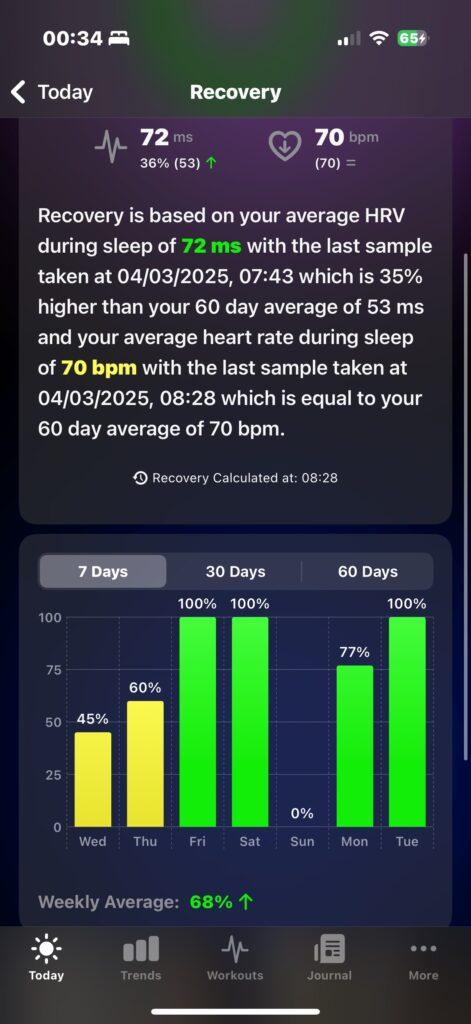
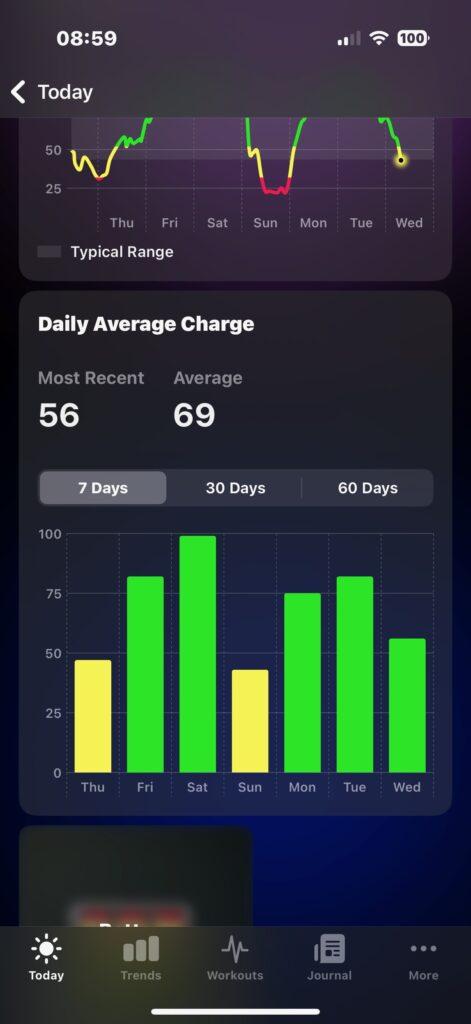
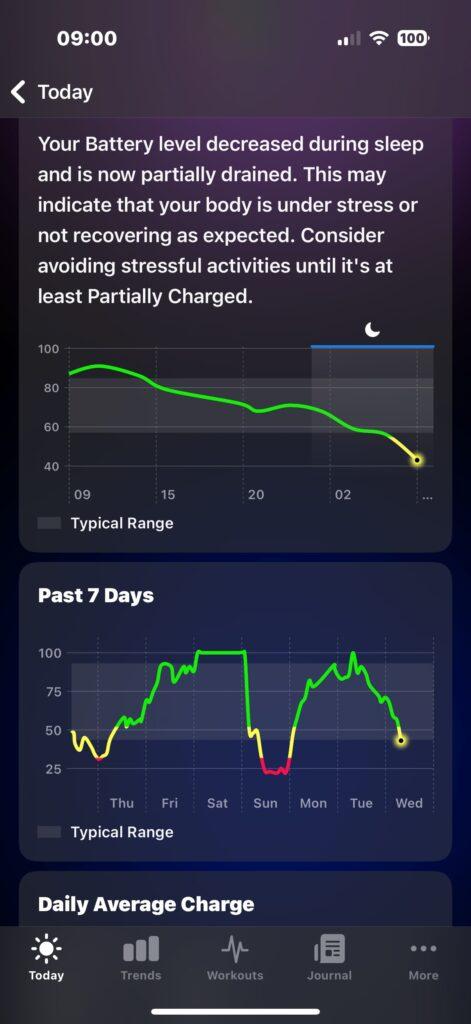
For the past six weeks, I’ve been actively tracking my sleep, heart rate variability (HRV), and resting heart rate (BPM) using the Athlytic app on my phone and my Apple Watch. My HRV averages around 53ms, and my resting heart rate sits at 70 BPM over a 60-day average. My recovery fluctuates between 48% and 100% throughout the week, with occasional lows of 37-40%, which typically align with periods of intense training or poor sleep.
A Night Out and Its Unexpected Impact
On Saturday, my partner and I went out to celebrate our anniversary. As a gift, I had bought tickets to see Matthew Bourne’s Swan Lake, and the performance was absolutely outstanding—highly recommended whether you’re a fan of ballet or not. After the show, we went for cocktails in Liverpool and then on to dinner at The Ivy, making for a thoroughly enjoyable celebration.

We consumed a fair amount of alcohol, including:
- 1 glass of Prosecco
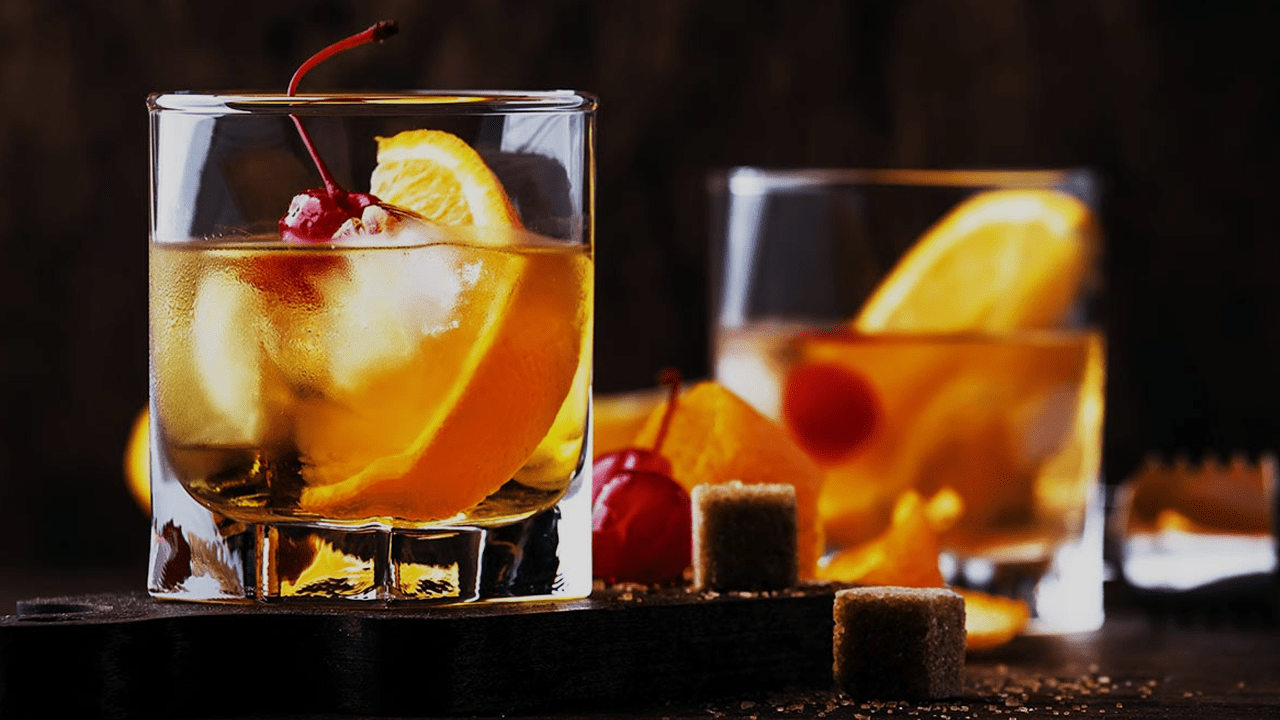
- 5 whisky-based cocktails
- 1 glass of rosé wine
- Shared a bottle of rosé wine
This was a rare occurrence for me, as I hardly ever drink. By definition, this could be considered a binge, though it’s not a frequent habit. We went to bed around 1 AM, woke briefly at 7 AM for some water, then slept again until 9:30 AM.
The Shocking Data
Despite feeling surprisingly okay—no headache, nausea, or classic hangover symptoms—my recovery score was 0%. My resting BPM had shot up to 82 BPM, significantly above my normal baseline.
What’s even more concerning was how my body felt. I suffer from an autoimmune disorder—psoriatic arthritis and enthesitis—so I’m no stranger to inflammation and pain. On a typical day, my pain levels are around 5-6 on a 10 scale, but on the morning after drinking, my pain levels shot up to 9-10 out of 10. My neck, knees, and back were in terrible pain, and my hands felt like somebody had been standing on them all night. Even now, three days later, my body is still aching, and my pain/inflammation levels remain around 7-8 out of 10.
The Effects of Alcohol on Inflammation and Recovery
Let’s be clear—this was not a planned experiment but rather an observation after the fact. However, the data and physical symptoms I experienced align with well-documented effects of alcohol on the body, particularly regarding inflammation and recovery.
- Alcohol is highly inflammatory – It can trigger an immune response that increases systemic inflammation, which is particularly harmful to those with autoimmune disorders like mine.
- Alcohol disrupts sleep quality – Even though I had enough hours of sleep, it wasn’t restorative sleep. Alcohol suppresses REM sleep and deep sleep, which are crucial for physical recovery.
- Reduced HRV and increased BPM – My HRV dropped significantly, and my resting BPM increased by over 10 beats per minute, indicating that my body was in a stressed state rather than a recovery state.
- Delayed recovery – Three days later, I’m still feeling the effects, showing that alcohol’s impact lingers far beyond the initial consumption.
Why Sleep Matters
While I technically slept for around 8 hours, it was not quality sleep. Alcohol-induced sleep tends to be fragmented and shallow, leading to:
- Lower HRV (a sign of poor autonomic recovery)
- Elevated BPM (indicating that the body is still under stress)
- Poor muscle and joint recovery (which explains my prolonged pain and stiffness)
- Cognitive sluggishness (even if I didn’t feel “hungover,” I was likely not at my mental best)
Takeaways from This Experience
- Even occasional alcohol consumption has noticeable effects – While I don’t drink often, this experience showed how even a single night of drinking can dramatically impact my recovery metrics and inflammation levels.
- Subjective feeling vs. objective data – I didn’t feel terrible immediately, but the data painted a clear picture: my body was under significant strain.
- Autoimmune conditions and alcohol don’t mix well – Given how inflamed I felt the next day, it’s clear that alcohol is a major trigger for my joint pain and overall inflammation.
- Long-term implications – If one night of drinking can cause this level of disruption, it makes me question the long-term effects of even moderate alcohol consumption on my health, especially with an autoimmune disorder.
Final Thoughts
This was an eye-opening experience. While I don’t plan to completely cut out alcohol, I’ll definitely think twice before having more than a single drink. The impact on my recovery, inflammation, and overall well-being just isn’t worth it. If you’re someone who values performance, recovery, or struggles with chronic inflammation, alcohol might be doing more damage than you realize—even if you feel fine the next day.
For now, it’s back to clean eating, hydration, and prioritizing recovery. Lesson learned.