
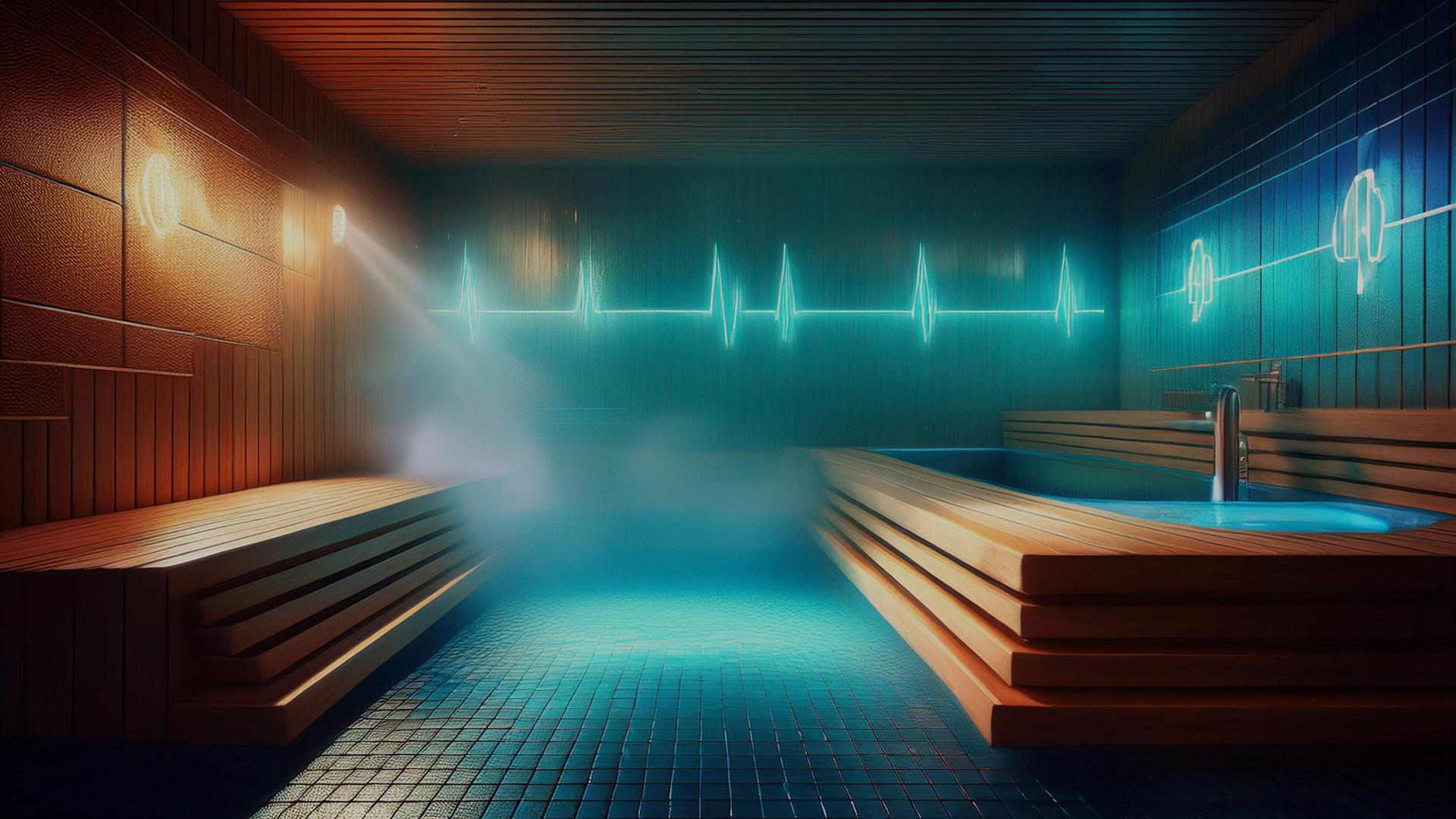
Following on from the article I wrote about Cold Water Therapy: My Journey and the Supposed Benefits, I wanted to explore another fascinating aspect of how our bodies respond to temperature changes. Specifically, why does my heart rate soar in the sauna yet drop so significantly when I step into a cold shower?
Have you ever noticed how your heart seems to race when you’re warm or hot, such as when you’re in a sauna or steam room? I’ve observed that after spending 20 minutes in the steam room, my Apple Watch often shows my heart rate climbing over 120 bpm, in the sauna, it goes even higher, sometimes to over 160 bpm. Maybe you’ve checked your smartwatch or fitness tracker and seen your heart rate climb to 120-160 beats per minute (bpm). Then, the moment you step into a cold shower, that elevated heart rate begins to drop, sometimes settling as low as 60 – 70 bpm, depending upon how long you stay under the cold water.
This fascinating response isn’t just random; it’s your body’s way of maintaining balance in a changing environment. Let’s break it down.
The Heat Response: Why Does Your Heart Rate Go Up in the Sauna?
When you expose your body to heat, several physiological processes kick in to help you cope. The sauna, with its high temperatures and often humid environment, acts as a controlled stressor. Here’s what happens:
- Vasodilation: Heat causes your blood vessels to widen (vasodilate). This increases blood flow to your skin, allowing your body to release excess heat and cool down. With more blood circulating, your heart needs to pump faster to keep everything moving.
- Sweating: Sweating is your body’s cooling system, but it’s energy-intensive. To support sweat production, your heart rate rises to deliver oxygen and nutrients to the working sweat glands.
- Stress Hormones: The heat also triggers the release of stress hormones like adrenaline. These hormones can increase your heart rate as part of your body’s natural “fight or flight” response.
For most people, a heart rate of 120-130 bpm in a sauna isn’t dangerous. It’s your cardiovascular system working harder, similar to light exercise. However, if you have any underlying health issues, it’s always wise to listen to your body and consult a doctor if you feel unwell.
The Cold Response: Why Does Your Heart Rate Drop in a Cold Shower?
Cold exposure triggers the opposite set of responses. As soon as you step into a cold shower, your body shifts gears in an attempt to conserve heat and protect your vital organs. Here’s what happens:
- Vasoconstriction: Cold temperatures cause your blood vessels to narrow (vasoconstrict), reducing blood flow to the skin and extremities. This helps retain heat in your core but also reduces the volume of blood your heart has to pump, lowering your heart rate.
- Parasympathetic Activation: The cold stimulates your vagus nerve, which plays a key role in activating the parasympathetic nervous system—your “rest and digest” mode. This slows your heart rate, relaxes your muscles, and calms your breathing.
- Oxygen Conservation: Cold water can also trigger the mammalian dive reflex, a survival mechanism seen in mammals. This reflex slows your heart rate and prioritises blood flow to essential organs like the heart and brain, helping you conserve oxygen in cold environments.
The result? A dramatic drop in heart rate, often down to a calm 60-70 bpm. Interestingly, even spending just one minute in a cold shower after the steam room is enough to bring my heart rate down this significantly.
The Science of Temperature and Heart Rate
At its core, your body is trying to maintain homeostasis—a stable internal environment despite external changes. Your heart rate is one of the many tools it uses to adapt to temperature extremes.
- In Heat: Your body works hard to get rid of excess heat by increasing circulation and sweat production, which requires your heart to pump faster.
- In Cold: Your body focuses on conserving heat, so it slows things down and reduces demand on the heart.
Both responses are examples of how incredibly adaptive the human body is. While they may feel extreme in the moment, these shifts are part of a well-coordinated system designed to keep you alive and well.
Benefits of Alternating Between Hot and Cold
If you’re someone who enjoys the sauna followed by a cold shower, you’re not just indulging in a refreshing ritual; you’re also reaping some impressive health benefits. Alternating between hot and cold exposure can:
- Improve Circulation: The contrast between vasodilation and vasoconstriction acts as a workout for your blood vessels, improving their elasticity and overall circulation.
- Enhance Recovery: Many athletes use contrast therapy (hot and cold) to reduce muscle soreness and speed up recovery after intense exercise.
- Boost Immune Function: Regular exposure to temperature extremes may enhance your immune system by stimulating the production of white blood cells.
- Reduce Stress: The parasympathetic activation triggered by cold exposure can help lower stress levels and improve your overall sense of calm.
Things to Keep in Mind
While these temperature-driven heart rate changes are generally safe, it’s important to approach them mindfully—especially for individuals like me who have autoimmune conditions such as psoriatic arthritis and enthesitis. These conditions can affect the heart, making it harder at times to pinpoint the exact cause of an elevated heart rate:
- Stay Hydrated: Saunas can cause significant fluid loss through sweat, so drink plenty of water before and after.
- Listen to Your Body: If you feel dizzy, lightheaded, or unwell, it’s time to step out of the sauna or avoid cold showers.
- Build Tolerance Gradually: If you’re new to cold showers or saunas, ease into them. Start with shorter durations and work your way up as your body adapts.
A Reflection on the Body’s Intelligence
It’s easy to take for granted just how smart our bodies are. The way your heart rate adapts to heat and cold is a testament to the incredible balance your body works to maintain every day. By paying attention to these changes, you not only learn more about your own physiology but also gain a deeper appreciation for the inner workings of this finely tuned machine.
So, the next time you’re in the sauna with your heart racing or under a cold shower feeling your heart slow, take a moment to marvel at the brilliance of your body’s design. It’s not just about temperature changes; it’s about resilience, adaptability, and the intricate dance of life happening within you.